Transmission main
Surge vessel sizing and air valve placement for a large-diameter line, with a bilingual deliverable for the contractor.
SELECTED WORK / REPRESENTATIVE SYSTEMS
Every model is built around the actual route, pumps and operating cases. These anonymized examples show the range of systems and decisions our studies address.
Four duty pumps feeding a long rising main lose power together. Without protection, low pressure opens vapour pockets along the high points; the rebound drives the maximum envelope toward 850 m of head. A vessel and air-valve scheme changes the outcome.
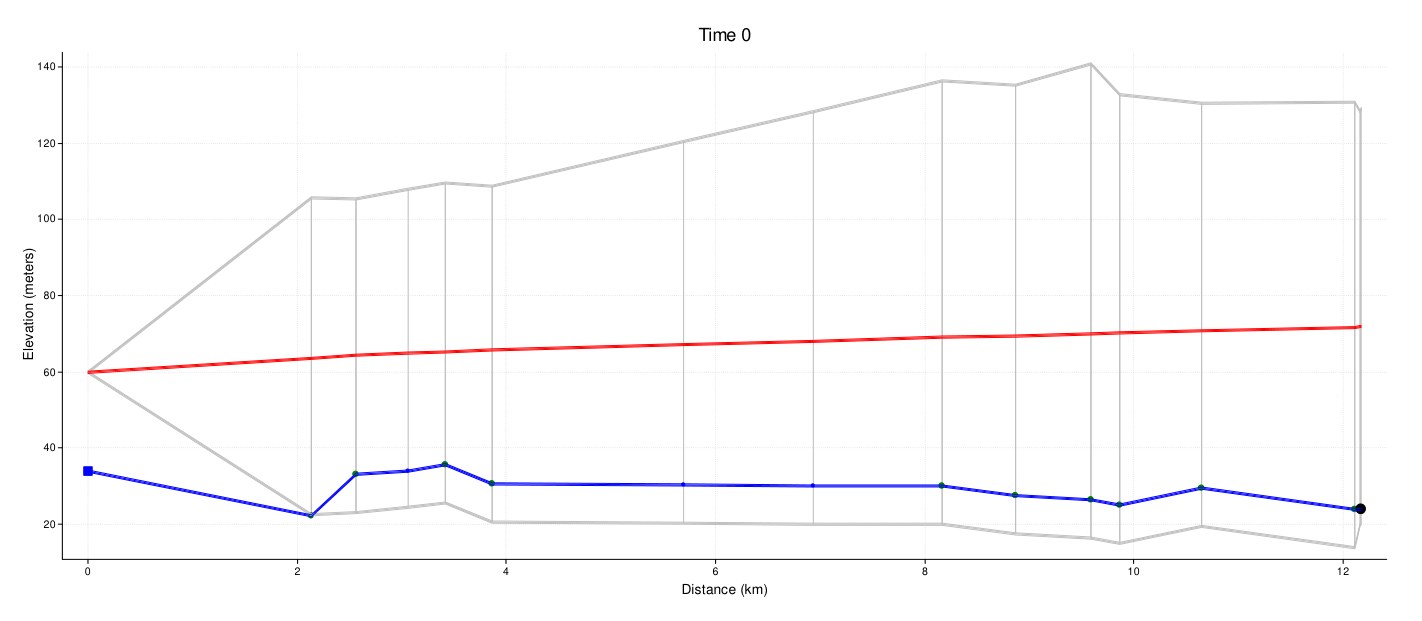
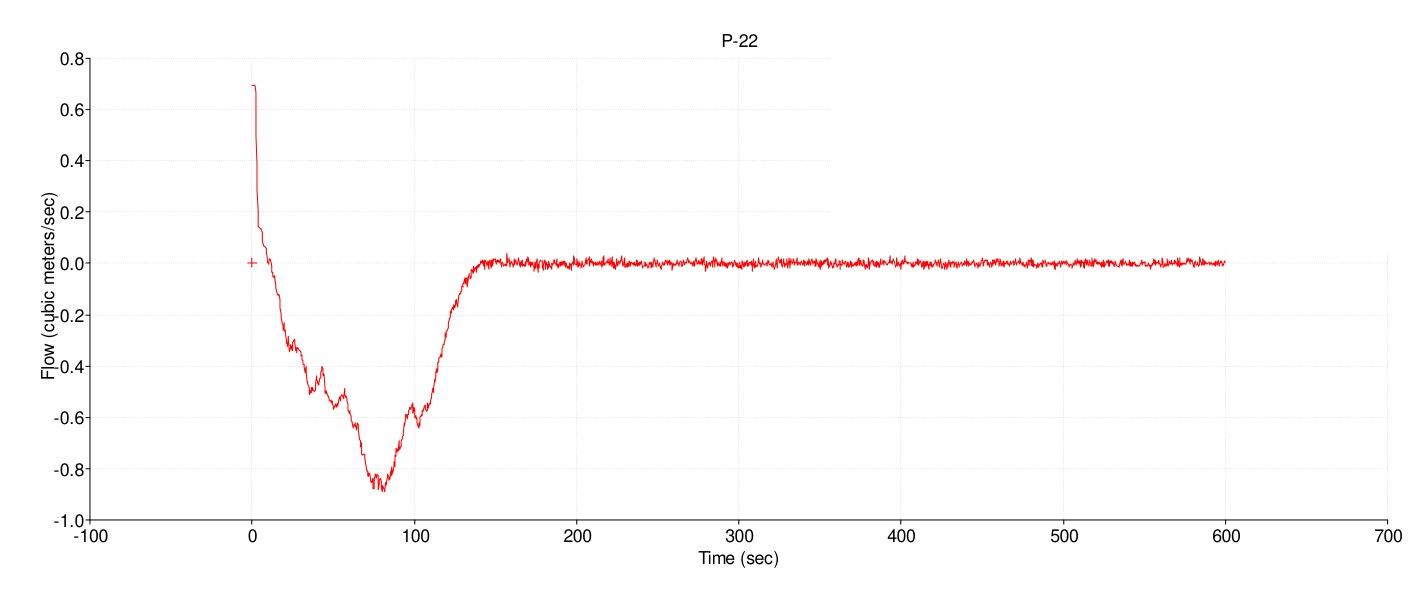
Surge vessel sizing and air valve placement for a large-diameter line, with a bilingual deliverable for the contractor.
Twenty-four air valves and a 20 m³ bladder vessel assessed across three build phases in one model.
Check-valve review, closure optimization and joint protection using surge anticipation and anti-surge air valves.
Repeated start-stop cycles and combination air-valve protection for twin treated-sewage-effluent mains.
Multi-summit main with column-separation risk; one-way surge tank compared with bladder-vessel protection.
Column separation mapped along a deep-shaft route; vessel and air-valve scheme checked against the worst trip.
Intake and clear-water pump stations analyzed together with their raw and treated transmission mains.
Alternatives compared where manufacturer inertia data was unavailable, informing the required flywheel effect.
Send the route, pump duty and protection already planned. We will define a scope against your system.